
Quick answer
Private soccer lessons are worth it when a motivated child has a specific skill to fix, a coach who teaches well and time to practice between sessions. They are not worth it yet if your child mostly wants games and friends, is tired of soccer or feels pushed. Try a handful of sessions with one clear goal, then judge.
When the Aspen Institute asked young athletes what a coach is for, they rated teaching sports skills well above winning. On a five-point scale, "teach us sports skills" averaged 4.69 and "win games and competitions" averaged 3.90. Kids want to be taught. That is exactly what a private soccer lesson sells.
It is also easy to overbuy. So are private soccer lessons worth it for your child? Sometimes, and sometimes not yet. Below is how to tell the difference, what the research says about coaching and pressure, a quick readiness checklist, and what the first few sessions should look like if you do go ahead.
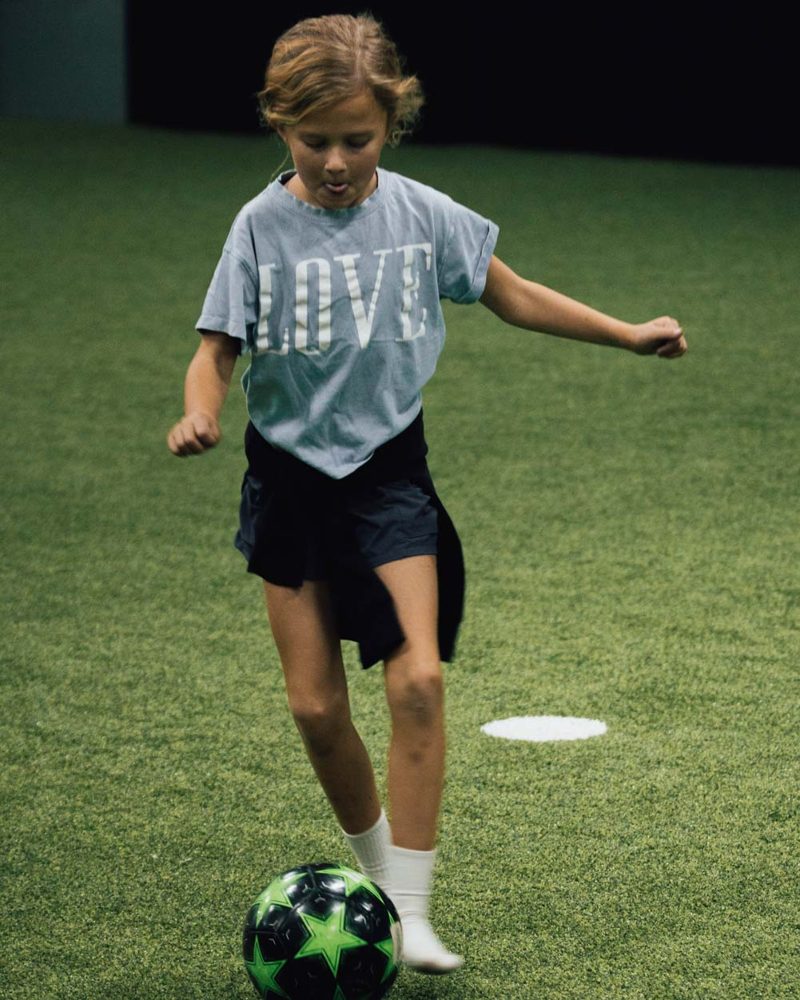
Are private soccer lessons worth it for kids?
They are worth it when three things line up: your child wants to get better at something specific, the coach actually teaches, and there is time to practice between sessions. One-on-one coaching gives your child a coach's full attention for every rep, which a full team practice cannot match. It is a tool for a particular job, not a standing upgrade.
The Aspen Institute's National Youth Athlete Survey, which reached 3,827 young people ages 10 to 17 in late 2025, explains why the details matter. Current players want skills taught, and they rank that well above winning. But "bad coaching" was also their top complaint, and for former players the least favorite experience was feeling "I'm not good enough." A lesson that builds real competence helps. A lesson that adds pressure or criticism can push a child out of the sport.
When private soccer lessons are worth it
The clearest case is a specific, nameable gap. A weak foot, a shaky first touch, finishing, one-on-one defending or reading the game are all things a coach can work on directly. Prestige describes its private sessions as designed around your player's exact needs, with a coach's full attention the entire time. Five situations make lessons most likely to pay off.
- There is one thing to fix. "Get better at soccer" is too vague. "Pass accurately with my left foot" is a lesson plan.
- A step is coming. Tryouts, a move up a level or a new team give the work a deadline. Our guide to whether your kid will make the club team shows what tryout coaches look at.
- Your child is quiet in groups. Some kids try new things only when no one is watching. Privacy can build the confidence that later shows up in games.
- Your child asked for it. Wanting the work is the best predictor that the work will stick.
- There is room in the week. A lesson without any practice between sessions is a weekly demonstration, not training.
Have one skill in mind?
Tell us what your player wants to fix. A Prestige coach will reach out to help you get started. No payment now.
When private soccer lessons are not worth it yet
Wait if your child mostly wants games and friends, seems tired of soccer, or feels pushed. The American Academy of Pediatrics defines burnout as kids no longer feeling a sense of fun and accomplishment when playing or practicing, and an extra weekly lesson on top of a full schedule is a fast way to get there.
Use the AAP's numbers as a ceiling. Kids should not train more hours each week than their age, with 1 to 2 rest days every week and at least 2 to 3 months off during the year. If lessons would push your child past that, the answer is no, or not yet. Pressure matters too. In the Aspen survey, 21% of former players said they were pressured to play when they did not want to, compared with 9% of current players. Our guide to how often youth soccer players should train covers the weekly math.
Is your child ready for private lessons?
Tick whatever sounds like your child. The result can say yes, try a short trial, or not yet.
Tick the boxes that sound like your child to see where they stand.
Private, semi-private or small group: which fits?
Private is the right choice when your child needs one specific thing fixed and does best with a coach's undivided attention. Prestige also offers semi-private and group sessions with the same coaches, and the choice among them is mostly about your child's personality. A child who shuts down when other kids are watching often does better one on one. A child who lights up around friends may get more from a semi-private session that shares the coach with a friend, because the work feels like play.
Small groups bring something private lessons cannot, which is other players. Game-like pressure, decisions made against real opponents and the plain fun of playing with friends are all part of how kids improve and, just as important, why they keep showing up. In the Aspen survey, 47% of current players named playing with friends as one of their favorite parts of the sport. If your child's main want is company, start with a group and add a private session later for a specific skill. The reverse order works too.
The simplest test is the one your child gives you for free. Ask which version they would look forward to on a rainy Tuesday. Enthusiasm lasts longer than any training plan.
How to judge a private coach before you book
A good private coach explains what they will work on and how you will know it worked. Because "bad coaching" is the top complaint among current players in the Aspen survey, the coach matters more than the format. Four questions sort most of it out.
- What will you work on first, and why? A real answer names a skill and a reason, not "general development."
- How will we know it is working? Look for something you can see in a game, like a cleaner pass with the weaker foot.
- Will you talk with my child's team coach? Lessons work best when they support what the team is asking for.
- How do you talk to kids when they get it wrong? Watch a session if you can. Encouraging and specific beats loud.
At Prestige, you can tell the coach the goal and the sessions are built around it, whether that is finishing, defending or speed of play. Most sessions run about an hour. Speed and agility can be added to any session, and if that interests you, our guide to speed and agility training by age shows what that work looks like at each stage.
What should the first four to six private sessions look like?
The first few sessions should be a short experiment with one goal, not an open-ended commitment. This is a sensible shape, not a rule, and any good coach will adapt it to your child.
- Name one goal. Pick a single skill, such as finishing with the weaker foot, and write it down.
- Session one: watch and set a baseline. The coach sees how your child moves and explains what better looks like.
- Sessions two to four: reps and one homework drill. Ten minutes of practice at home keeps the work alive between lessons.
- Check in. Ask your child how it feels, and look for the skill showing up in games.
- Decide. Continue, space the sessions out, or stop. All three are good outcomes if your child is happy.
If the lessons are about a step like tryouts, our guide to club team readiness in Overland Park helps you pick the goal. If your child would rather learn alongside other kids, small-group soccer skills training is a lighter-pressure place to start.
Key takeaways
- Private lessons are worth it when a motivated child has a specific skill to fix, a good coach and time to practice.
- Young players rate "teach us sports skills" (4.69 of 5) above winning (3.90), but bad coaching is their top complaint.
- Wait if your child mostly wants games and friends, seems tired of soccer or feels pushed.
- Keep within the AAP's ceiling: weekly hours no higher than age, 1 to 2 rest days a week and 2 to 3 months off a year.
- Start with one goal and four to six sessions, then decide whether to continue, space out or stop.
Frequently asked questions
How many private soccer lessons does a child need?
There is no universal number. A fair test is a handful of sessions built around one clear goal, followed by a check on whether the skill shows up in games. Most sessions at Prestige run about an hour, and a coach can recommend a cadence once they know your player's goals.
What age can a child start private soccer lessons?
There is no fixed minimum. Prestige's view is that focused, age-appropriate reps build clean technique and confidence early, which pays off as kids move up. The condition is that the session stays playful and your child wants to be there. If they are very young, ask whether a small group would be more fun.
Are private lessons better than group training?
They do different jobs. One-on-one gives a coach's full attention for every rep and correction, while small-group clinics add other players and game-like pressure. Many families use both. See our small-group soccer skills training.
Can private soccer lessons help my child make a club team?
They can prepare a player for tryouts by targeting the skills coaches look for, but nothing guarantees a roster spot. Our guide to whether your kid will make the club team shows what tryout coaches score.
Can too many private lessons cause burnout?
Yes. The American Academy of Pediatrics describes burnout as kids no longer feeling a sense of fun and accomplishment, and advises that kids not train more hours each week than their age, with 1 to 2 rest days every week and 2 to 3 months off during the year. If your child dreads the next session, pause.
Keep reading
Private Soccer Training in Overland Park
One-on-one coaching built around your player's exact needs, with a coach's full attention the whole session.
See private training →Will My Kid Make the Club Team?
What tryout coaches actually score, and an honest self-check for your player.
Read the guide →How Often Should Youth Soccer Players Train?
The weekly ceiling, the rest days that matter, and the signs of too much.
Read the guide →Want to try one session with a clear goal?
Tell us what your player wants to fix. A Prestige coach will reach out to help you get started. No payment now.