
Less than 1% of youth soccer players in the United States ever play professionally, but the ones who make it almost always had one thing in common: a parent who made the right decisions early. In Johnson County, Kansas, the competition for college scholarships and professional contracts is fiercer than ever. Overland Park, Leawood, Olathe, and Lenexa are producing elite youth athletes at a remarkable rate, and the families that rise to the top are not just lucky. They are strategic, consistent, and relentlessly committed to development. This guide is written specifically for you, the Johnson County soccer parent who refuses to leave your child’s future to chance.
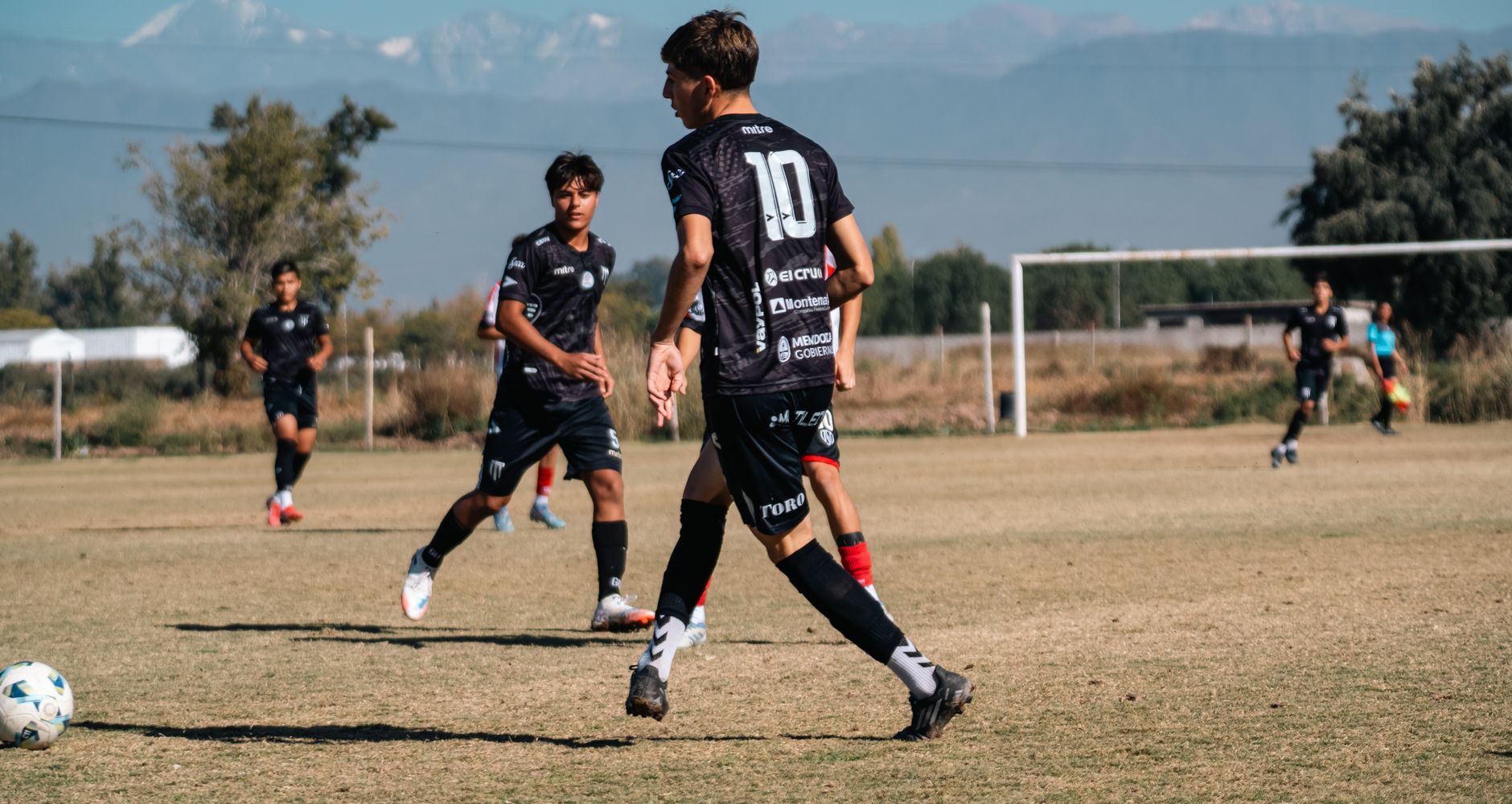
Starting Early: The Development Window Every Parent Needs to Understand
The science is clear. According to FIFA’s long-term athlete development research, the most critical years for technical skill acquisition in soccer fall between ages 6 and 14. This is when the brain’s neuroplasticity is at its peak, making it dramatically easier to engrain first touch, footwork, and spatial awareness. Waiting until high school to get serious is not a strategy, it is a gamble.
What “Starting Early” Actually Means
Starting early does not mean burning your child out before they reach middle school. It means building a foundation of love for the game, exposure to quality coaching, and gradual skill layering during the most responsive developmental years. Here is what smart, early development looks like in practice:
- Prioritizing technical training (dribbling, passing, first touch, ball mastery) over just playing matches
- Finding coaches and programs that teach the game, not just run drills
- Encouraging small-sided play and pickup soccer outside of organized practice
- Exposing your child to competitive environments through clinics and camps without over-scheduling
The Mindset You Must Instill From Day One
Before your child ever steps onto a competitive pitch, the most important development happens between the ears. Elite soccer players are not just physically gifted, they are mentally built for pressure, adversity, and long-term sacrifice. As a parent, your role is to foster a growth mindset where mistakes are viewed as data, not failure. Praise effort and process over outcomes. Let your child experience losing. Teach them to compete hard, recover fast, and show up the next day hungry. The psychological foundation you build in the early years will carry your athlete further than any drill ever will.
Finding Elite Training in Johnson County: What Separates Good From Great
Johnson County has no shortage of recreational soccer leagues and casual club teams. But if your child has genuine aspirations of playing at the college or professional level, recreational play is not enough. Elite development requires elite environments, and knowing how to identify them is a critical skill for ambitious soccer parents.

What to Look For in a Youth Soccer Training Program
Not all training is created equal. When evaluating programs in the Overland Park, Olathe, or Lenexa area, ask the hard questions:
- Do coaches have verifiable credentials and experience at competitive levels?
- Is the curriculum structured around long-term athlete development or short-term wins?
- Does the program offer individualized feedback or is it purely group-based?
- Are players being pushed tactically and technically, or just staying active?
The U.S. Soccer Federation’s player development initiatives outline clear benchmarks for each age group. Programs aligned with these standards give your child a structured, nationally-recognized pathway rather than a patchwork of unrelated training sessions.
Tick every box that describes your child today. Be honest — the gaps are exactly where the fastest gains are hiding.
Tick the boxes that describe your player today to see where they stand.
The Three Pillars of Elite Development: Clinics, Camps, and Private Coaching
The most effective development plans for ambitious young athletes typically combine three types of training, each serving a distinct purpose.
Soccer Clinics: Sharpening Specific Skills
Focused soccer clinics are ideal for targeting specific technical weaknesses or expanding tactical understanding. Whether your child needs to sharpen their shooting accuracy, improve their defensive positioning, or develop a stronger left foot, a well-designed clinic isolates and attacks those gaps with concentrated repetition. For Johnson County athletes, seasonal clinics also serve as a competitive environment where players can benchmark themselves against peers from across the metro area.
Soccer Camps: Immersive Total Development
Multi-day or week-long soccer camps offer something clinics and regular practice cannot, total immersion. Extended camp environments allow coaches to work on not just skills, but game intelligence, communication, leadership, and mental toughness. The longer time block also builds chemistry with other serious athletes, which sharpens a player’s reading of teammates and opponents. For parents in Leawood or Overland Park, investing in a high-quality summer camp is one of the highest-return decisions you can make in your child’s development calendar.
Private Training: The Fast Track
If your child has a realistic shot at a college scholarship or professional career, private coaching is not a luxury, it is a necessity. One-on-one sessions allow a coach to diagnose exactly what is holding a player back, build a personalized training plan, and compress years of development into months. Private training is also invaluable during recruiting season, when a single standout performance at a showcase can change an athlete’s entire trajectory. The athletes who arrive at those showcases polished, confident, and technically superior almost always have private coaching in their background.
Clinics
Concentrated reps that isolate one weakness — finishing, defending, weak foot — and attack it until it sticks.
Skills clinics in JoCo →Camps
Total immersion that builds game IQ, communication, and chemistry with other serious athletes over full days of play.
Browse summer camps →Private Training
One-on-one coaching that compresses years of development into months — the fast track to showcases and scholarships.
Book private sessions →Balancing School and Athletics: The Johnson County Reality
Johnson County schools are academically competitive. Blue Valley, Olathe North, SM East, and dozens of other programs demand serious academic performance. The challenge for ambitious soccer families is managing a rigorous training schedule without letting grades slip, because college coaches and professional academies want complete athletes, not just talented ones.
Time Management Strategies That Actually Work
- Block scheduling: Treat school, training, and recovery like appointments, all three are non-negotiable
- Communicate with teachers early: When tournament weekends or camps conflict with school, proactive communication shows maturity and keeps grades from spiraling
- Use travel time: Car rides to training in Overland Park or Lenexa are prime time for reviewing notes or listening to educational content
- Protect sleep above all else: Eight to ten hours for growing athletes is not optional, it is when physical and skill development is consolidated
College coaches actively look at GPAs. NCAA Division I programs in particular require a minimum academic eligibility threshold, and the most competitive programs at the Power Five level want athletes who can handle both demands. Building excellent time management habits early makes the transition to college athletics dramatically smoother.

Nutrition and Recovery: The Overlooked Competitive Edge
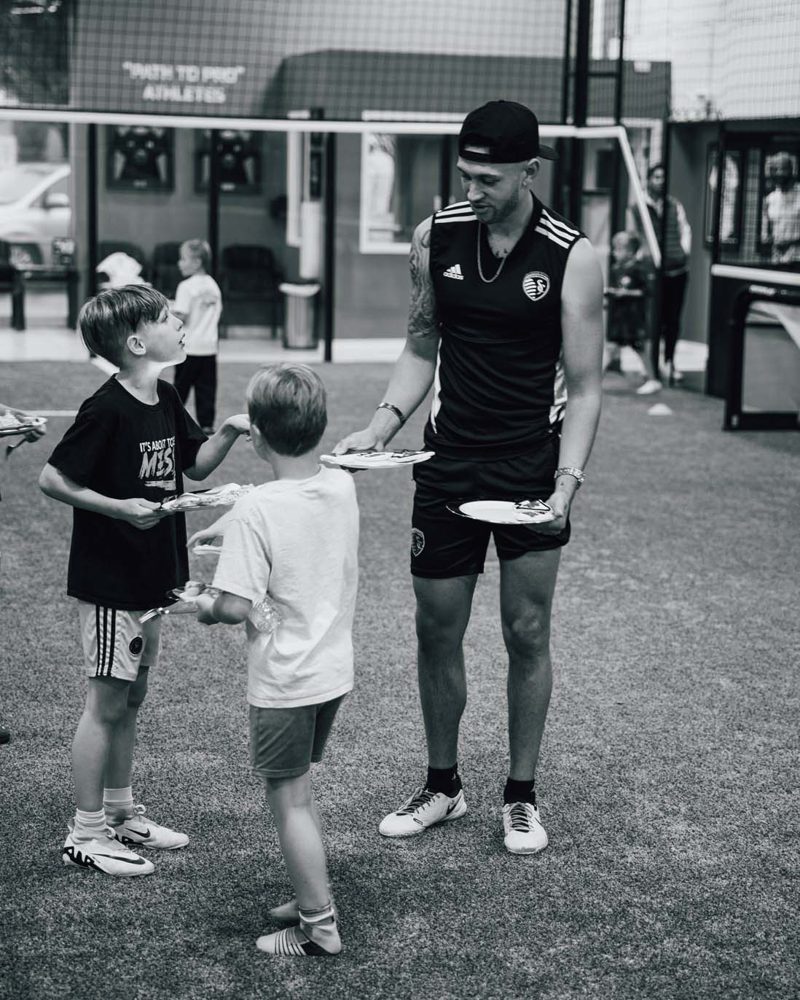
In Johnson County’s competitive youth soccer landscape, technical skill and tactical intelligence often separate the good from the very good. But what separates the very good from the elite? Recovery and nutrition. Most families dramatically underinvest here, and it is one of the most correctable gaps in a young athlete’s development plan.

Fueling a Young Soccer Athlete
Soccer is a high-intensity, intermittent sport that demands both aerobic endurance and explosive power. Young athletes training multiple days per week need:
- Adequate carbohydrates to fuel high-intensity efforts and replenish glycogen stores after sessions
- Quality protein at every meal to support muscle repair and growth, chicken, eggs, Greek yogurt, and legumes are all excellent sources
- Consistent hydration, dehydration of even 2% of body weight measurably impairs speed, decision-making, and reaction time
- Pre-training and post-training meals timed appropriately, not skipped because of a busy school schedule
Recovery Is Training
Many Johnson County families pack their child’s week with back-to-back training sessions, club games, and school activities without building intentional recovery time. This is a fast path to burnout and overuse injuries. Active recovery strategies like light stretching, foam rolling, and low-intensity movement on rest days keep athletes performing at their peak without accumulating the physical and mental fatigue that derails careers before they start.
Coach’s rule of thumb: for every two hard training days, build in one true recovery day. Sleep, hydration, and light movement are not time off — they are when last week’s work actually turns into next week’s ability.
Want a plan built around your player’s week?
Our Johnson County coaches map training, recovery, and competition into one realistic schedule — so progress is consistent and burnout stays off the table.
The Recruiting Process and College or Pro Pathway
This is where ambition gets real. Whether your goal is a college scholarship or professional contract, the pathway is structured, and the earlier you understand it, the better positioned your child will be.
Understanding the College Soccer Pathway
NCAA Division I soccer is intensely competitive. According to U.S. Soccer, the recruiting process for top programs often begins as early as 8th or 9th grade. Key milestones include:
- Building a highlight video with current, high-quality footage by freshman year of high school
- Attending college ID camps where coaches are actively watching and evaluating players
- Registering on the NCAA Eligibility Center and understanding eligibility requirements
- Reaching out proactively to college coaches, waiting to be discovered is not a strategy
Resources like the United Soccer Coaches (formerly NSCAA) offer guidance on navigating college recruiting specifically for soccer players, and every serious family should be familiar with their resources.
Select your child’s current grade. Every milestone that should already be underway lights up.
The Professional Pathway: MLS Next and Beyond
For players targeting the professional level, MLS Next is the premier youth soccer pathway in the United States. MLS Next academies identify and develop the country’s top talent, and players who move through these systems gain exposure to professional club scouts at both domestic and international levels. If your child shows exceptional ability, connecting them with academy-level training environments and showcases is an essential step.
What College Coaches and Scouts Actually Look For
Beyond raw athleticism, college coaches and professional scouts consistently prioritize coachability, tactical intelligence, attitude under pressure, and consistent effort. A technically polished player who competes hard in every minute, communicates with teammates, and recovers quickly from mistakes is far more attractive than a flashy player who disappears when the game gets hard.
How Prestige Indoor Sports Helps Johnson County Kids Reach Their Potential
For families across Overland Park, Leawood, Olathe, and Lenexa, Prestige Indoor Sports is the Kansas City metro’s dedicated partner in elite youth soccer development. Our programs are built around the exact pillars that produce college-bound and pro-pathway athletes: technical excellence, tactical intelligence, physical conditioning, and mental toughness.
Whether your child is just beginning to show elite potential or is already competing at a high club level, our clinics, camps, and private training programs are designed to accelerate development in a structured, intentional, and results-driven environment. Indoor training offers a year-round consistency that outdoor programs cannot match, no weather cancellations, no muddy fields, no excuses. Every session is focused, every touch counts, and every player is seen.
Ready to give your child the competitive edge they deserve? Contact us today and let’s build a plan together.
Give Your Player the Johnson County Edge
From first touch to college showcases, Prestige Indoor Sports is the Kansas City metro’s home for serious soccer development. Let’s build the plan that gets your child there.
Frequently Asked Questions
What age should my child start focused soccer training?
The optimal window for foundational skill development begins around age 6 to 8. Structured technical training during this period leverages peak neuroplasticity, making skill acquisition faster and more durable. That said, players who begin more intensive training at 10, 12, or even 14 can absolutely still reach elite levels, especially with private coaching and consistent development programs.
How do I know if my child has what it takes to go pro or earn a scholarship?
Talent is only one piece of the equation. Coachability, competitive drive, work ethic, and the ability to handle pressure under scrutiny matter just as much at the elite level. A quality private coach or development program can provide an honest, experienced assessment of your child’s current level and realistic pathway, which is far more valuable than speculation.
How many hours per week should a serious young soccer player train?
This depends heavily on age. U.S. Soccer Federation guidelines caution against over-specialization and excessive volume at young ages. Generally, a serious athlete between ages 10 and 14 might train 8 to 12 hours per week including club practice, individual training, and matches. By high school, 12 to 18 hours per week is reasonable for high-level aspirants, but recovery must be built into that schedule deliberately.
Is indoor soccer training as effective as outdoor training?
For technical development, indoor training is actually superior in many respects. The confined space, consistent surface, and faster-paced touch opportunities build first touch, passing precision, and spatial awareness rapidly. Many elite players credit indoor environments with accelerating their technical development beyond what outdoor-only training could achieve.
When should we start thinking about college recruiting?
Ideally, by the end of 8th grade at the latest. Top Division I programs are routinely evaluating players as young as 14 or 15. Starting the recruiting process early, building a highlight video, attending ID camps, and making direct contact with college coaches, dramatically expands your child’s options and reduces the pressure of last-minute decisions.
Does Prestige Indoor Sports serve players from across the Kansas City metro area?
Yes. While we are deeply rooted in the Johnson County community serving Overland Park, Leawood, Olathe, and Lenexa, our programs welcome players from across the greater Kansas City metro area. Our facilities and coaching staff are equipped to develop athletes at every stage of the elite soccer pathway.
Prestige Indoor Sports | Kansas City Metro Area | (913) 568-8145 | 7373 W 107th St, Overland Park, KS 66212
Ready to Build Your Player's Plan?
Book a free assessment with a Prestige coach and turn this roadmap into real progress on the pitch.