
It is late June, the pool is open, and tryouts feel a hundred years away. They are not. Across Johnson County, club and select team tryouts land in August and September, and the kids who walk in sharp almost always did their real work in July. Here is the thing most parents learn the hard way. Tryouts do not reward the player who wants it most on the day. They reward the player who arrived ready, calm, and moving well. The good news is that readiness is buildable, and you have just enough runway to build it. This is a parent-to-parent playbook for the next several weeks: what to do, when to do it, what coaches are actually watching for, and how to keep the prep consistent when a Kansas City summer wants to cancel everything.
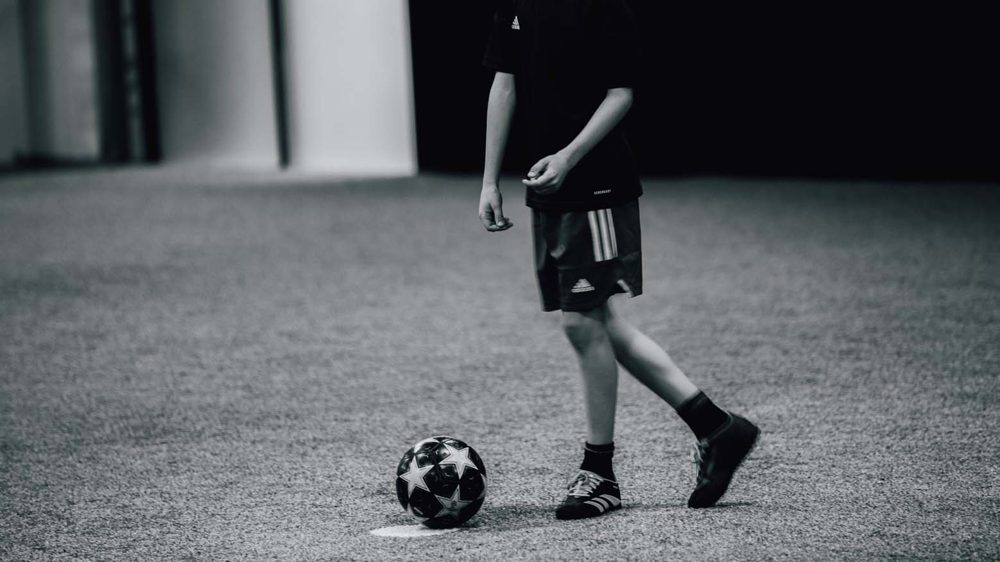
At Prestige Indoor Sports in Overland Park, we see the same story every summer. Two players with similar talent show up to the same tryout. One spent July sharpening their first touch and their first step. The other played video games until the week before and tried to cram. The first kid looks like they belong. The second kid looks nervous and a half-step slow. Below is the timeline we would hand any Johnson County family, plus an honest look at what evaluators notice in the first few minutes, so your player is the one who looks like they belong.
Start with a plan, not a panic
The biggest mistake parents make is treating tryout prep like a final exam to cram for. Soccer does not work that way. First touch, fitness, and composure are built through reps spread across weeks, not jammed into a frantic weekend. When a player crams, two things happen. Their body shows up tired instead of sharp, and their nerves spike because deep down they know they are not ready. A calm, confident player on tryout day is almost always a player who put in steady, unhurried work beforehand.
So the real question is not what should we do this week. It is what should we be doing each week between now and the tryout. That is why we map prep as a countdown. Each window has a job. Get the early windows right and the final week becomes a light, confident taper instead of a desperate scramble. If your player wants a structured push, our private soccer training in Overland Park is built to slot into exactly this kind of timeline, meeting each kid where they are.
What the timeline actually fixes
A good prep block does three jobs at once. It builds the fitness base so a player is not gassed by the second drill. It grooves the first touch and the first step so the technical stuff feels automatic under pressure. And it rehearses the mental side, so the tryout environment feels familiar instead of overwhelming. Skip any one of those and it shows. The player who is fit but loose with the ball gets cut. So does the player with great touch who fades after ten minutes.
Read that chart twice, because it reshapes how you prep. Coaches form a strong first read in the opening minutes, and the first thing they see is touch and quickness. They are not timing a forty-yard dash. They are watching whether the ball sticks to a player's foot, whether the first step is sharp, and whether the kid competes without being told to. The deeper soccer IQ stuff matters too, but it reveals itself later. Front-load your prep on the things that get noticed first.
Coach's tip: Evaluators decide fast, so win the first ninety seconds. Settle your first ball cleanly, sprint to the first loose ball like it is the only one that matters, and keep your chin up. A confident first touch buys you the benefit of the doubt for the rest of the session.
The weeks-out countdown to tryouts
Here is the playbook as a countdown. Tap through each window to see what to prioritize and why. The milestones below light up as you move through the stages, so you can see how the work stacks from a base of fitness all the way to a calm, confident tryout week.
Pick a stage to see what matters now.
Notice how the early weeks do the heavy lifting. By the time tryout week arrives, you are subtracting load, not adding it. That is the opposite of how most families approach it, and it is exactly why so many talented kids underperform on the day. If your player is starting late, do not panic. Compress the windows, lean on focused sessions, and prioritize touch and first step, the things that get noticed first. Our soccer skills training and speed and agility training are designed to plug straight into whichever window you are in.
What coaches actually look for
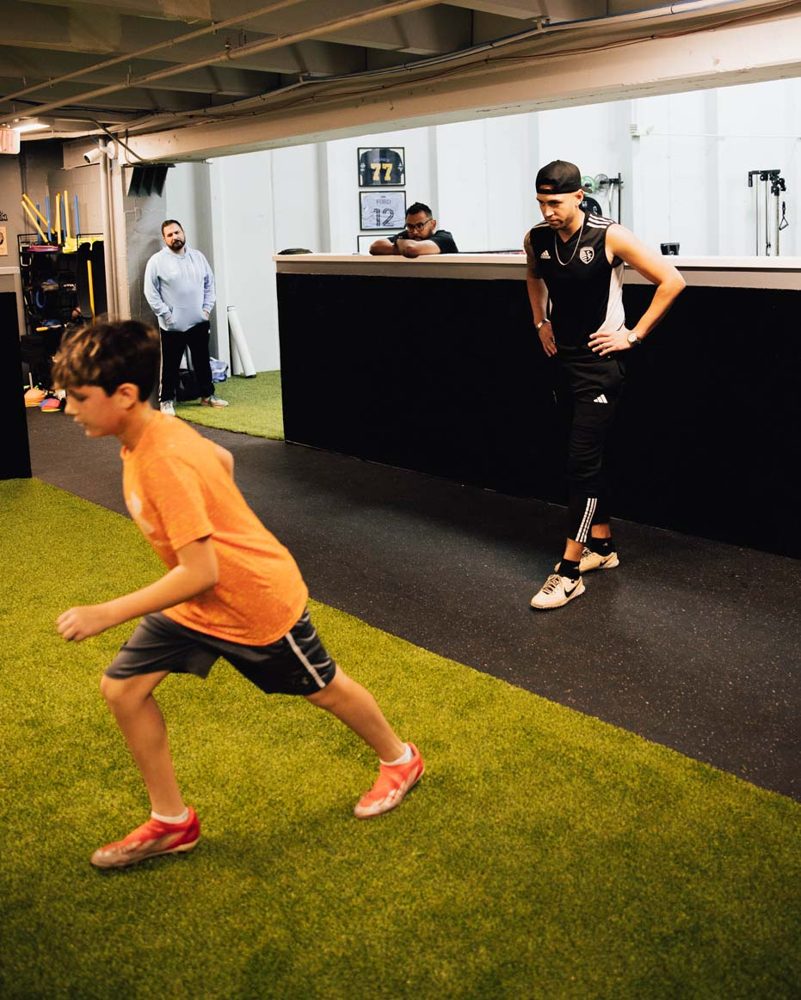
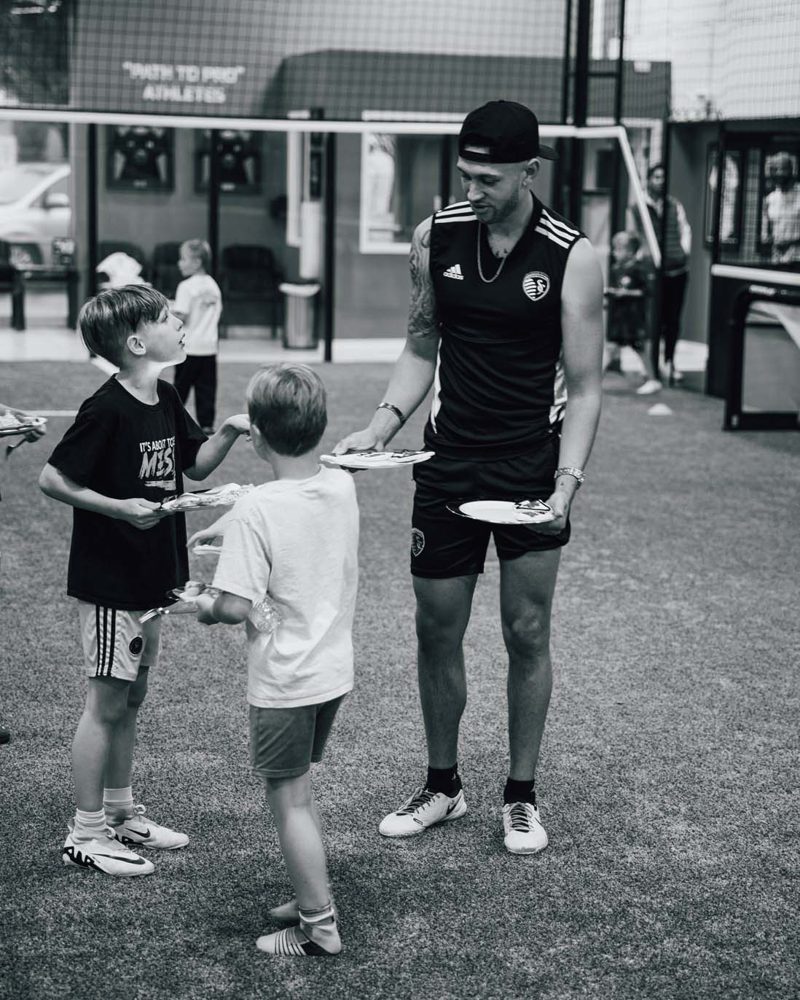
Parents often assume tryouts are about flashy moves and goals. They are not. Most evaluators are building a team, and they are reading character as much as skill. They want a clean, calm first touch under pressure. They want a player who explodes after a loose ball without being told. They want effort that does not dip when a drill goes badly, and they want a kid who looks coachable, makes eye contact, and competes with composure. A player who loses the ball but immediately sprints to win it back leaves a far better impression than a player who scores once and then coasts.
The mental side most families skip
The mental piece is the quiet separator. Nerves are normal, but nerves that turn into hesitation are a problem. The fix is rehearsal. The more a player has trained at game speed, in front of others, the less foreign the tryout feels. That is why we build pressure into the final weeks on purpose. A kid who has already played plenty of competitive, watched reps walks in thinking this is just another session, and it shows in their body language from the first whistle. You can meet the coaches who run those sessions on our coaches page.
Not sure where your player stands?
Send us their age and the tryout date. We will help you map the right prep window.
Why indoor summer training removes the excuses
Here is the part Johnson County parents feel every July. The plan above only works if it actually happens, week after week. And a Kansas City summer is built to wreck consistency. Triple-digit heat indexes shut down outdoor sessions, afternoon storms flood the fields, and air quality days keep kids inside. Suddenly your eight-week runway has three or four weeks of missed work baked into it, and prep that looked solid on paper falls apart in practice.
Training indoors at our Overland Park facility removes that variable entirely. It is air-conditioned, the turf is the same every visit, and sessions never cancel for weather. That reliability is the whole game when you are prepping for a fixed tryout date. A twelve-week plan is actually twelve weeks, not seven weeks plus a string of cancellations. Consistency is what turns a hopeful player into a ready one, and the broader guidance on youth athletes agrees, with the CDC's physical activity recommendations for children emphasizing regular, sustained activity rather than occasional bursts. For a tryout countdown, a weatherproof home base is the difference between a plan and a wish.
Private training
One-on-one work to fast-track first touch and first step before tryouts.
Private training →Putting it all together
Tryout prep is not complicated, but it does ask for a plan and the discipline to follow it. Start now while there is real runway. Build the fitness base first, sharpen the touch and the first step next, rehearse game speed and composure as the date nears, then taper so your player arrives fresh. Front-load the things coaches notice first, and protect your consistency by training somewhere the weather cannot touch. Do that, and your kid walks into their Johnson County tryout looking like they belong, because they will. When you are ready to build a plan around your tryout date, our coaches are glad to help.

Tryouts are closer than they feel.
Let us map a prep plan to your player's tryout date and get them arriving sharp.
Frequently Asked Questions
When are fall soccer tryouts in Johnson County, and when should we start prepping?
Most club and select team tryouts in Johnson County happen in August and September. The ideal time to start preparing is roughly eight or more weeks out, which means late June and July. That runway lets your player build fitness first, then sharpen technical skills, then taper, rather than cramming everything into a stressful final week.
What do tryout coaches actually look for first?
Evaluators form a strong first impression within the opening minutes, and the first things they read are a clean first touch under pressure and first-step quickness. Effort and body language come right behind. Deeper game awareness and fitness reveal themselves later in the session, so it pays to front-load prep on touch and quickness.
My player is starting late. Can they still get ready in time?
Yes. If you are inside a month, compress the windows and lean on focused sessions that target the highest-impact areas, first touch and first-step quickness. Private and skills training are built to accelerate exactly those things. Avoid the temptation to cram intense fitness in the final week, which leaves players tired rather than sharp.
How does indoor summer training help with tryout prep?
Consistency is what turns a hopeful player into a ready one, and a Kansas City summer of heat and storms makes outdoor consistency hard. Training indoors at our air-conditioned Overland Park facility means sessions never cancel for weather, so an eight or twelve-week plan actually happens as written. That reliability is often the difference between a player who arrives prepared and one who fell behind.
Where is Prestige Indoor Sports located and how do we book?
Our facility is at 7373 W 107th St, Overland Park, KS 66212, in the heart of Johnson County, an easy drive for families from Overland Park, Olathe, Leawood, Lenexa, Prairie Village, and Shawnee. You can reach us at (913) 568-8145 or through our contact page to map a prep plan around your player's tryout date.
Prestige Indoor Sports | Kansas City Metro Area | (913) 568-8145 | 7373 W 107th St, Overland Park, KS 66212
Ready to Get Started at Prestige Indoor Sports?
Book a free assessment with a Johnson County coach and put a real plan behind your player's development.