
You typed "soccer clinics near me" into your phone in the parking lot after practice, and now you are staring at a wall of results that all sound exactly the same. Every one of them promises "skill development" and "fun in a positive environment." None of them tell you the thing you actually need to know: which clinic will make your kid noticeably better, and which one is just an hour of standing in line waiting for a turn. That gap is the whole problem. A good skills clinic in Johnson County can be the single best hour of your child's soccer week. A bad one is glorified babysitting with cones.
This guide is the shortlist filter you were hoping to find. We run indoor youth soccer skills clinics here in Overland Park, so we have a point of view, but the checklist below is the same one we would use to evaluate anyone, including ourselves. Use it to cut a dozen confusing options down to two or three real contenders across the Kansas City metro, then register with confidence instead of crossing your fingers.
What a real skills clinic actually does (and what it does not)
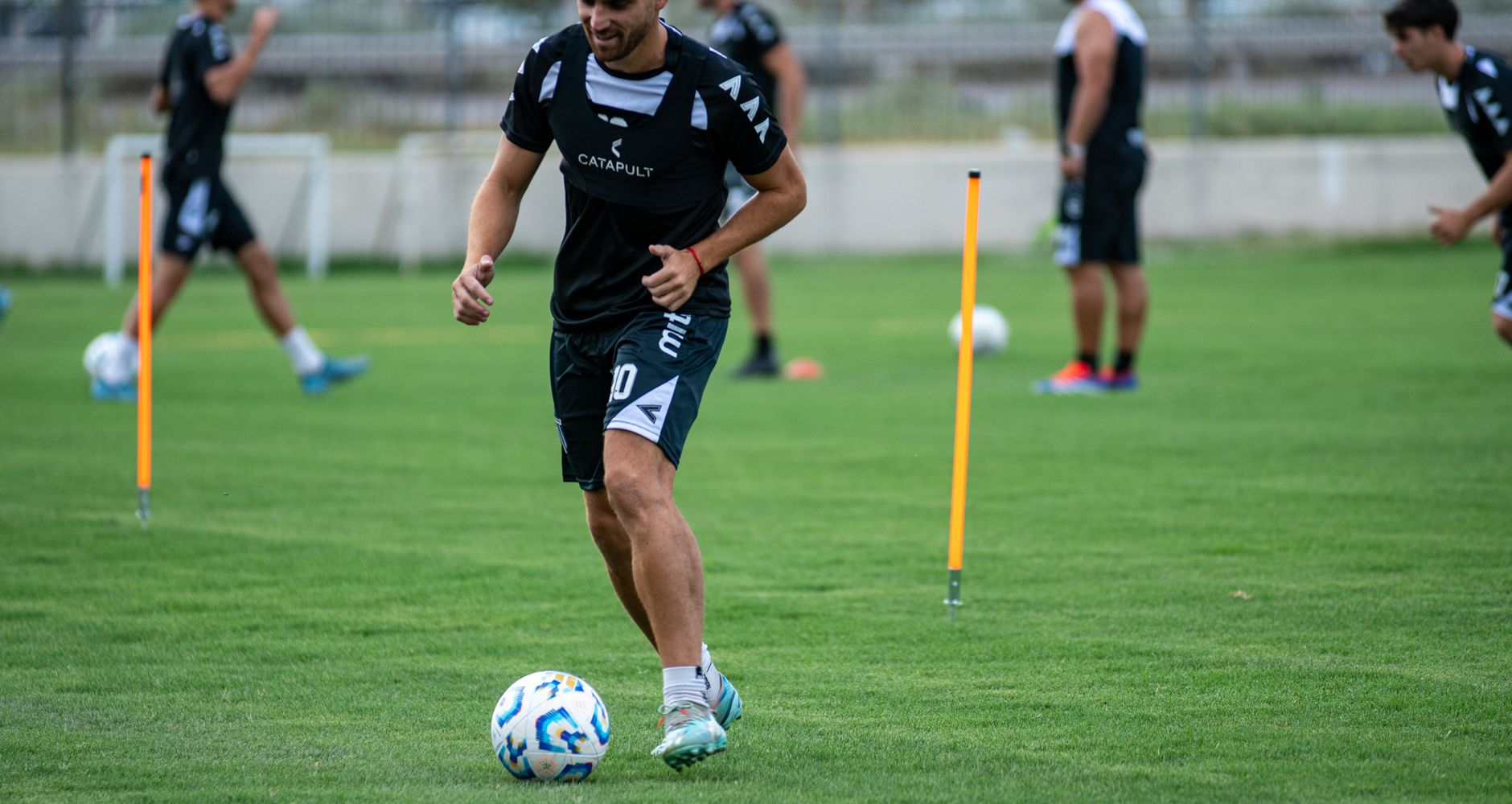
A skills clinic is not a team practice and it is not a pickup game. It is focused, repetitive technical work on the specific skills that win games: clean first touch, both feet, dribbling under pressure, passing weight and accuracy, finishing, and shielding the ball. Team practice has to spend most of its time on tactics, formations, set pieces, and getting eleven kids to move together. That is necessary, but it means your individual player gets very few quality touches on the ball during a typical team session.
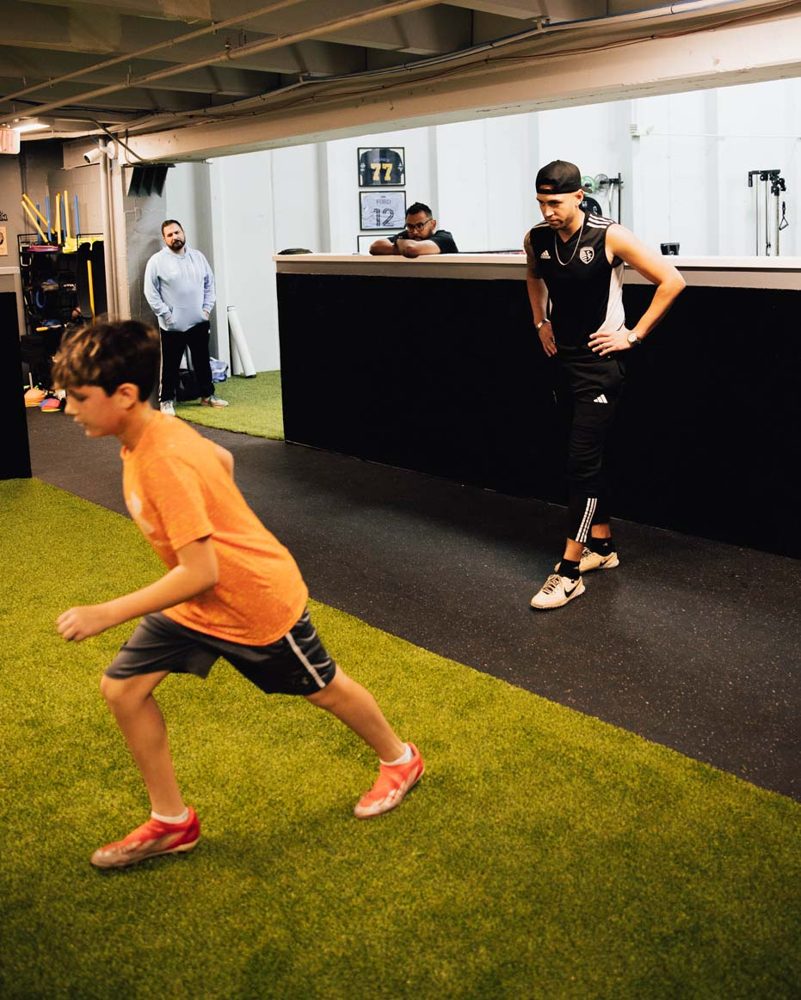
The best clinics flip that ratio. Your child is on the ball almost the entire hour, getting corrected in real time by a coach who can actually see them. The whole point is volume plus feedback. Touches without feedback build bad habits faster. Feedback without touches is just a lecture. You want both, stacked, week after week.
Those numbers are illustrative of what good small-group coaching looks like, not a guarantee, but the direction is the point. When a coach is responsible for six players instead of eighteen, every kid simply gets seen more, corrected more, and touches the ball more. That is the engine of improvement.
The buyer's checklist: 6 things that separate a great clinic from a forgettable one
Before you register anywhere in Overland Park, Olathe, Leawood, or Lenexa, run the clinic through these six filters. If it checks most of the boxes, register. If it misses three or more, keep looking.
1. Coach-to-player ratio
This is the single most important number, and most clinics bury it. Ask directly: how many kids per coach? Anything beyond roughly 8 to 1 starts to look like a team session in disguise. The lower the ratio, the more individual correction your child gets, which is the entire reason you are paying for a clinic instead of just sending them to free open play.
2. A clear skill focus
A serious clinic can tell you what your child will work on this week and why. "First touch and receiving under pressure." "1v1 attacking moves." "Finishing with both feet." Vague answers like "general skills and scrimmaging" are a red flag. Scrimmaging is fun, but you can get that at the park for free.
3. Indoor and year-round consistency
Kansas weather does not care about your kid's development curve. Outdoor clinics get rained out, iced out, and heat-advisoried out, and every cancellation is a week of progress gone. An indoor facility means the session happens, period, on the same flat, consistent surface every time. Faster surface, faster touches, and a controlled environment where coaches can actually run a tight session. This is the quiet differentiator most parents underrate until February.
4. Qualified, communicative coaches
You want coaches who have genuinely played and who can explain the why, not just yell "switch the field." Watch how they talk to kids. Good youth coaches correct without crushing, and they tell you something useful about your child afterward. The technical side matters, and so does the way they make a shy 9-year-old want to come back next week.
5. Age-appropriate and ability-appropriate grouping
A 6-year-old and a 13-year-old do not belong in the same drill. The best clinics group by stage so the work matches what that age actually needs to be learning right now. A clinic that lumps everyone together is choosing convenience over your kid's development.
6. Some way to measure progress
You should be able to see your child getting better, not just take it on faith. That might be a coach's verbal update, a simple progress note, or visible jumps in confidence and ball control over a few weeks. If a clinic has no answer for "how will I know this is working," that tells you something.
Coach's tip: The fastest way to vet any clinic is one question on the phone: "How many players per coach, and what is the skill focus this month?" A confident, specific answer tells you almost everything you need to know.
Want to see how our skills clinics line up against that list? Here is the local hub: soccer skills training across Johnson County.
Why coach-to-player ratio is the number that matters most
If you only remember one thing from this guide, make it this. The difference between a small-group clinic and a large team session is not a matter of degree. It changes what kind of hour your child has. In a tight clinic, a kid is constantly on the ball, constantly being adjusted, rarely waiting in a line. In a big group, the same kid spends most of the hour as a spectator, getting a handful of real touches and almost no individual feedback.
Those bars are illustrative, not measured to the decimal, but any coach who has run both kinds of sessions will tell you the shape is right. Repetition with correction is how skills get wired in. That is why we keep our groups small on purpose, even though bigger groups would be easier to run. The point of a clinic is the individual touches, and you cannot fake that with a crowd.
See a real skills clinic in action
Small groups, real coaching, indoor all year in Overland Park.
The age-stage path a great clinic should support
The biggest mistake parents make is buying the same kind of clinic at every age. What a 6-year-old needs is not what a 12-year-old needs, and a clinic that ignores that is wasting your money at one end and boring your kid at the other. Tap your player's stage below to see what should actually be the focus right now, and watch how the skills stack on top of each other as they grow. A clinic worth registering for understands this path and meets your child where they are.
Pick a stage to see what matters now.
If your player is in that 8 to 13 window, this is genuinely the highest-leverage time to invest in focused skills work, because the habits built now are the ones they keep. And if speed is the thing holding their technique back at game pace, our speed and agility training pairs naturally with skills clinics for older players.

Score the clinic you are considering
You have the criteria. Now put a number on it. Run whatever clinic you are eyeing through this quick self-check. Tick the boxes it honestly earns, and the verdict will tell you whether it is worth your registration fee or whether you should keep shopping around the Kansas City metro.
Tick every box the clinic honestly earns, then read the verdict.
Tick the boxes that describe the clinic to see where it stands.
If most of those boxes stayed empty, that is your answer. A clinic that cannot clear this bar is not going to move the needle for your kid, no matter how friendly the website looks.
Why indoor is the quiet advantage parents underrate
Let us spend a minute on the indoor piece, because it is the criterion most parents skip right past and later wish they had weighted more heavily. In Kansas City, the soccer calendar runs straight into rain in spring, heat in summer, and ice in winter. Outdoor clinics lose sessions to all three. Every lost session is a week your kid is not improving while the kids who trained indoors kept stacking touches.
Indoor also changes the quality of the work. A flat, consistent surface means a truer ball roll and faster play, which forces quicker decisions and sharper first touches. There is no wind taking the ball, no mud killing a pass, no uneven patch ruining a trap. The coach can run a tight, controlled session every single time. Over a full year, that consistency compounds into a real edge. It is the difference between a player who trained 45 weeks and one who trained 30.

This is also why a strong indoor clinic pairs so well with whatever else your child is doing. It does not replace their club team. It makes them better for it. The U.S. youth development community has long emphasized technical mastery in the early years, and organizations like U.S. Soccer and United Soccer Coaches consistently point to consistent, age-appropriate skill work as the foundation everything else is built on.
Your local options across Johnson County
One of the underrated criteria is simply proximity. The best clinic in the world does not help if it is a 40-minute drive and you skip half the sessions because of it. We run skills training across Johnson County so families can pick the location that actually fits their week. Closer means more consistent attendance, and consistency is what builds the player.
Overland Park
Our home base. Small-group indoor skills clinics, year-round, minutes from Leawood and Prairie Village.
Overland Park clinics →Olathe
Focused technical training for Olathe families who want real touches, not a crowded field session.
Olathe clinics →Lenexa & Shawnee
Age-grouped skills clinics serving Lenexa, Shawnee, and the west side of the metro.
Lenexa clinics →Serving the west side of the county? Here is the page for soccer skills training in Shawnee, and you can always check the calendar of upcoming clinics and sessions on our events page.
How to actually pick, in one sitting
Here is the short version of everything above, so you can decide today instead of bookmarking ten tabs you never reopen.
- Make your shortlist. Pick two or three clinics near you in Overland Park, Olathe, Leawood, or Lenexa. Closer is better for consistency.
- Call and ask two questions. Players per coach? Skill focus this month? The answers sort the serious from the rest fast.
- Run the checklist. Score each clinic against the six criteria above. Indoor and year-round, small groups, clear focus, real coaches, smart grouping, visible progress.
- Match to your kid's stage. Use the age-stage path to make sure the focus fits where your player actually is right now.
- Register and watch. Give it a few weeks and look for more confidence on the ball. That is the proof.
Do that, and you will not be guessing. You will know exactly why you chose the clinic you chose, and your kid will feel the difference on the field.
Give Your Player The Clinic They Deserve
Small-group, indoor, year-round skills clinics across Johnson County. Real touches, real coaching, real progress.
Frequently Asked Questions
What is the difference between a soccer skills clinic and regular team practice?
A skills clinic focuses almost entirely on individual technique, things like first touch, dribbling, passing, and finishing, with lots of ball touches and direct coaching feedback. Team practice has to spend most of its time on tactics, formations, and getting the whole team to play together, which leaves each individual player with relatively few quality touches. A good clinic in Johnson County is the fastest way to improve the technical foundation your child then uses on their team.
What age should my child start a soccer skills clinic?
Kids can benefit as early as ages 5 to 7, when the focus is simply comfort and joy on the ball. The highest-leverage window is roughly ages 8 to 13, when real technique like first touch and both-feet control gets wired in for years. Older players 14 and up use clinics to refine skills, fix their weak foot, and pair technique with speed and agility. The key is that the clinic groups players by age and ability so the work fits where your child actually is.
Why does an indoor clinic matter in the Kansas City area?
Kansas City weather cancels a lot of outdoor sessions, and every cancellation is a week of lost development. An indoor facility means the clinic runs year-round on schedule, on a flat, consistent surface that produces a truer ball roll and faster play. Over a full year, that consistency adds up to far more training time and sharper touches than a weather-dependent outdoor program. It is one of the most underrated criteria when parents choose a clinic.
How many players per coach should a good skills clinic have?
The lower the ratio, the better, because it directly determines how much individual attention and how many ball touches your child gets. As a rule of thumb, look for roughly 8 players per coach or fewer. Once a group gets much larger than that, it starts to function like a team session, where kids spend a lot of time waiting in line instead of working on the ball. Always ask a clinic directly how many players they put with each coach.
Where can I find soccer skills clinics near me in Johnson County?
Prestige Indoor Sports runs indoor youth soccer skills clinics across Johnson County, including Overland Park, Olathe, Lenexa, Shawnee, and the surrounding Kansas City metro. You can pick the location closest to you for the most consistent attendance, view upcoming sessions on our events page, or call us at (913) 568-8145 to ask about ratios, skill focus, and age grouping before you register.
Prestige Indoor Sports | Kansas City Metro Area | (913) 568-8145 | 7373 W 107th St, Overland Park, KS 66212
Ready to Get Started at Prestige Indoor Sports?
Book a free assessment with a Johnson County coach and put a real plan behind your player's development.